


Making Streets Safer by Design
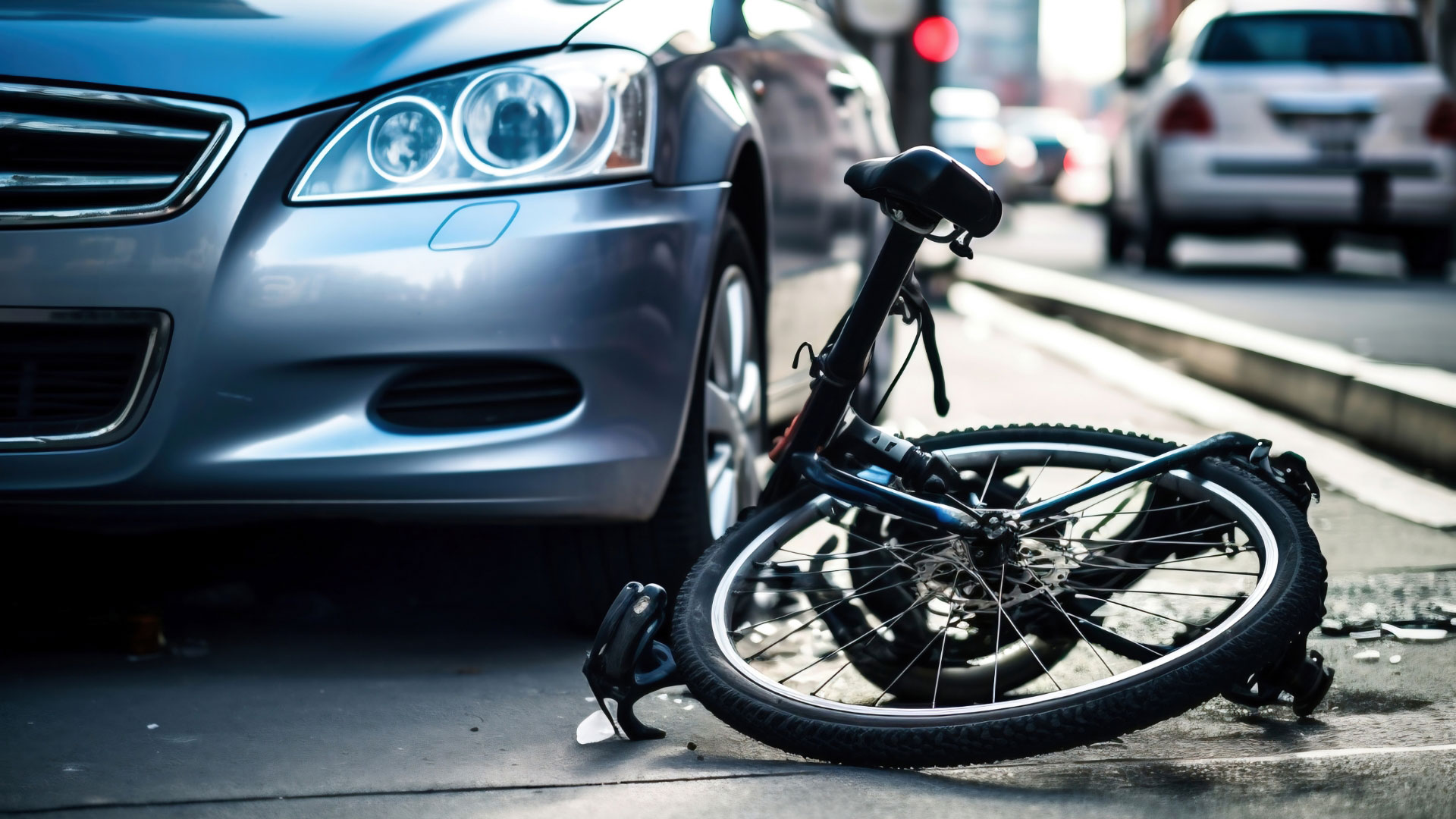
Every year in the U.S., more than 40,000 cyclists are injured in traffic collisions, a grim reminder that urban infrastructure is still catching up to the needs of people who walk, bike, or navigate with mobility aids.
The problem isn't just traffic volume; it is the lack of clarity in shared spaces. Intersections, bike lanes, and sidewalks often lack clear boundaries, especially for those with vision impairments or mobility challenges. Meanwhile, cyclists are frequently pushed into traffic or forced to navigate confusing and inconsistent lanes. The result? A public realm that feels, and is, unsafe for anyone outside a car.
Prioritizing People over Cars
40,000 cyclists injured in a single year equates to more than 109 people a day being struck and hurt while cycling. 40,000 cyclists injured a year does not include pedestrians struck by vehicles. Streets designed to prioritize quickly moving cars over safely moving people are dangerous by design.
Despite the development of shared-use spaces, the lack of safe, separated infrastructure is a leading factor in cyclist and pedestrian collisions with cars.
Cities that invest in safer bike infrastructure see measurable improvements. Research shows communities with higher bicycling rates actually experience lower overall traffic fatality.
Safer Streets Start with Smarter Design
One of the most effective ways to improve safety is to design sidewalk-level protected bike lanes. These pathways raise cyclists to sidewalk level, physically separating them from fast-moving traffic while keeping pedestrians in their own clearly defined space.
Sidewalk-level bike lanes are especially effective in urban areas where space is limited and traditional buffer zones aren’t feasible.
Recent projects show how powerful this approach can be. In San Francisco, newly built sidewalk-level bike lanes have created safer, more predictable movement for both cyclists and pedestrians, demonstrating how design changes at the street level can dramatically improve safety.
A Path Forward
Sidewalk-level pathways provide the clarity and protection cities need to reduce crashes and rebuild trust in urban streets. When paired with smart design features like tactile delineators, they create accessible, predictable spaces where cyclists and pedestrians can coexist safely.
Smarter streets can save lives. The solution starts at the sidewalk level.
Let’s Build Smarter Streets, Together
- Share this article with your city’s transportation or bike planner
- Learn more about urban accessibility